Telescopes are powerful tools for viewing things both near and far. Whether you’re an experienced astronomer or just getting started, a telescope can open up a world of new possibilities. But how do you get the most out of your telescope?
Here are 10 pro tips to help you learn how to use a telescope.
1. Get Familiar with Your Telescope
Before you start using your telescope, familiarize yourself with it. Understand its features and functions, as well as its limitations. Learn about its magnification power, optical quality, and portability so that you can make the most of your telescope’s capabilities.
2. Choose the Right Location
When it comes to astronomy, location is key! You’ll want to choose an area that is away from light pollution and has clear skies on most nights—ideally in a rural area or away from cities and towns.
3. Know What You’re Looking For
Before you look through your telescope, take some time to research what kinds of objects are visible in the night sky during different seasons and at various times of day or night—this will help you maximize the use of your telescope.
4. Check Out Accessories
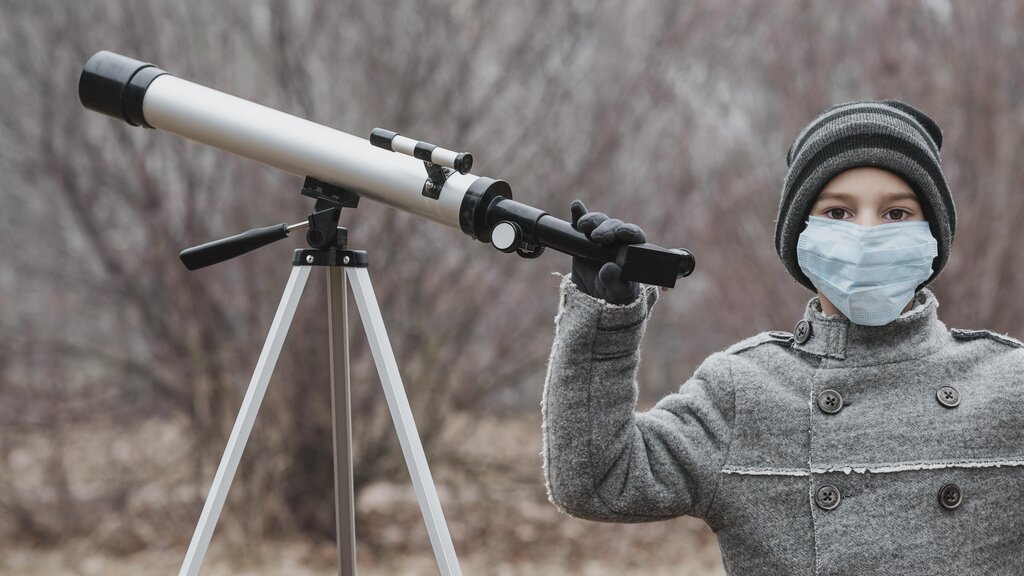
There are many accessories available for telescopes—from eyepieces and filters to tripods and mounts—that can further enhance your viewing experience. Get familiar with them so that you know which ones will work best for what you’re trying to view.
5. Set Up Your Telescope Properly
Assemble your telescope correctly according to instructions and make sure it’s securely mounted before attempting any observations or adjustments. Also be sure that all parts are tightened correctly (but not too tightly) before use!
6. Focus Carefully
Focusing your telescope requires patience—it should be done slowly so that the image is crisp and clear when viewed through the eyepiece lens or camera lens (if applicable). Make any necessary adjustments until everything looks right!
7. Experiment with Different Eyepieces
Different eyepieces offer different magnifications levels; experiment with them until you find one that works best for what you’re trying to observe.
8. Make Adjustments If Necessary
If something doesn’t seem right while looking through your eyepiece lens, adjust it accordingly until it does! Sometimes these tweaks can make all the difference when trying to view faint objects in the sky.
9. Take Notes
It’s always helpful to take notes while observing — this way, if anything catches your eye, you’ll have a record of it for future reference.
10. Enjoy Yourself
Last but certainly not least, don’t forget to enjoy yourself! Astronomy is meant to be fun, after all. Relax, take in the sights, and just have a good time!
Conclusion
Using a new telescope can seem daunting at first glance—there’s definitely a learning curve involved!
But by taking our tips into consideration, we hope that we’ve been able to make this process easier for those who are just starting out on their astronomical journey!
With practice and patience, soon enough you’ll be able to identify constellations like an expert stargazer! Happy viewing!

