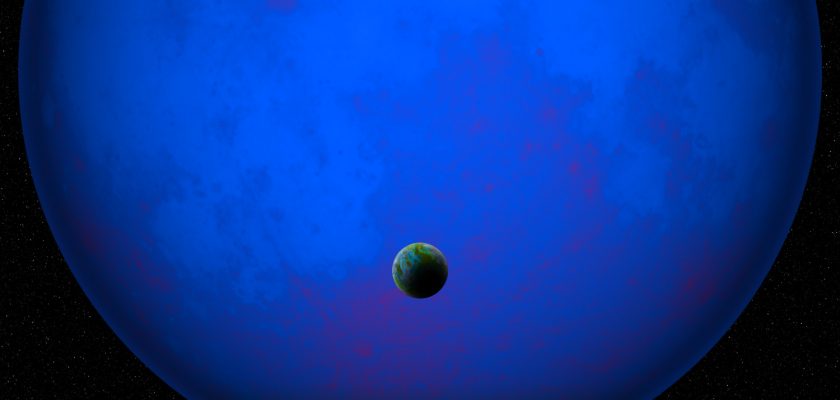
The planet Jupiter is the fifth planet from the Sun and the largest in our solar system. It is made up of gas and has no solid surface to stand on.
This gas giant is an amazing sight to behold and is surrounded by many moons, all of which are fascinating in their own right.
In this post, we will discuss how to identify Jupiter’s moons and why they’re important.
Jupiter’s Moons
Jupiter has 79 known moons, with four of them being the most visible from Earth. These four are commonly referred to as the Galilean satellites—Io, Europa, Ganymede, and Callisto—after Italian astronomer Galileo Galilei who was the first person to observe them using a telescope in 1610.
While it may be difficult for some people to see these moons without a telescope or binoculars, it can be done with some practice.
The best time of year for viewing Jupiter’s moons depends on its location in relation to Earth’s orbit around the sun. If you observe Jupiter when it’s at its closest point (perigee) during its orbit around our star (which takes almost 12 years), then you have a better chance of seeing its moons due to their increased brightness from light reflecting off of them.
Additionally, if you look at night when there is less light pollution from artificial sources such as streetlights, you will also have a better chance of seeing them clearly.
The four Galilean satellites can be identified easily by their size relative to each other; Io is significantly smaller than Ganymede while Europa and Callisto appear roughly equal in size when viewed through a telescope or binoculars.
Additionally, they all travel around Jupiter at different speeds so they can often be seen in various positions relative to each other on any given night. Keep an eye out for these four moons as they give us a glimpse into our place within our solar system!
Conclusion
Jupiter’s four Galilean satellites provide us with an incredible view into our place within our solar system and are fascinating objects that can be observed with ease if you know where and when to look for them!
With some practice and patience you too can identify these amazing celestial bodies so why not take some time this week and try your hand at spotting them? Good luck!

