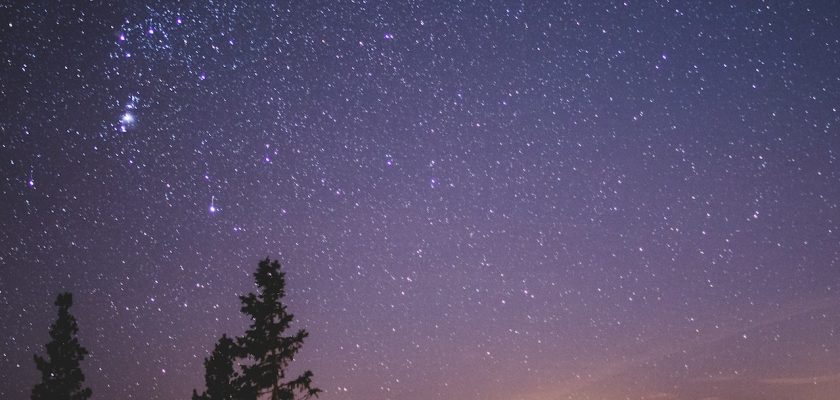
Stargazing has been a favorite pastime of people since ancient times. In fact, many of today’s constellations were identified by civilizations that lived thousands of years ago.
Whether you are in the city or out in the countryside, the night sky is full of wonders that can be seen with the naked eye.
Here’s a beginner’s guide to stargazing so you can get started exploring and enjoying the stars.
Preparation for Stargazing
The first step to stargazing is preparation! Before heading outside, check a forecast for any upcoming cloudy days or rain and pick a night when conditions look good for viewing.
Additionally, it helps to know what phase our moon is in since bright moonlight can make it difficult to see stars. Preferably, you should wait until there is either no moon at all or only a crescent moon visible in the sky.
You will also want to spend some time familiarizing yourself with star maps and star charts online which show different constellations and how they appear in different seasons throughout the year.
This will help you identify what you are looking at when you go outside and make it easier to find specific stars and star systems.
What You Will Need
Stargazing is best done away from artificial light sources like streetlights or buildings but if this isn’t possible then try using binoculars or even a telescope to block out ambient light pollution.
If possible, bring along an astronomy book that will give more detailed information about each constellation that you observe as well as other celestial bodies like planets or nebulas that may be visible on certain nights.
Lastly, don’t forget something comfortable to sit on while stargazing so that your neck doesn’t get too sore from constantly looking up!
Conclusion
By following this beginner’s guide to stargazing, you will soon be able to recognize some of the most famous constellations like Orion and Cassiopeia as well as planets like Mars, Jupiter, and Saturn!
Once you have gotten more comfortable navigating your way through the night sky, consider joining a local astronomy club where experienced members can teach you more about celestial objects and give advice on how best to use binoculars and telescopes for optimal viewing experience.
Enjoy your journey into discovering all that space has to offer!

